

Using a Bitcoin ATM to convert cash into cryptocurrency offers unmatched speed and privacy, but it comes with a significant cost premium. According to industry data from CoinATMRadar, the average fee for using a Bitcoin ATM is approximately 10.5 percent, which is substantially higher than the 0.1 to 1 percent fees typical of centralized exchanges. This disparity exists because kiosk operators must cover hardware maintenance, cash handling logistics, and regulatory compliance costs. Understanding these fee structures is critical for anyone looking to secure their financial freedom without unnecessary capital erosion.
What Are the Fees for Converting Cash to Crypto?
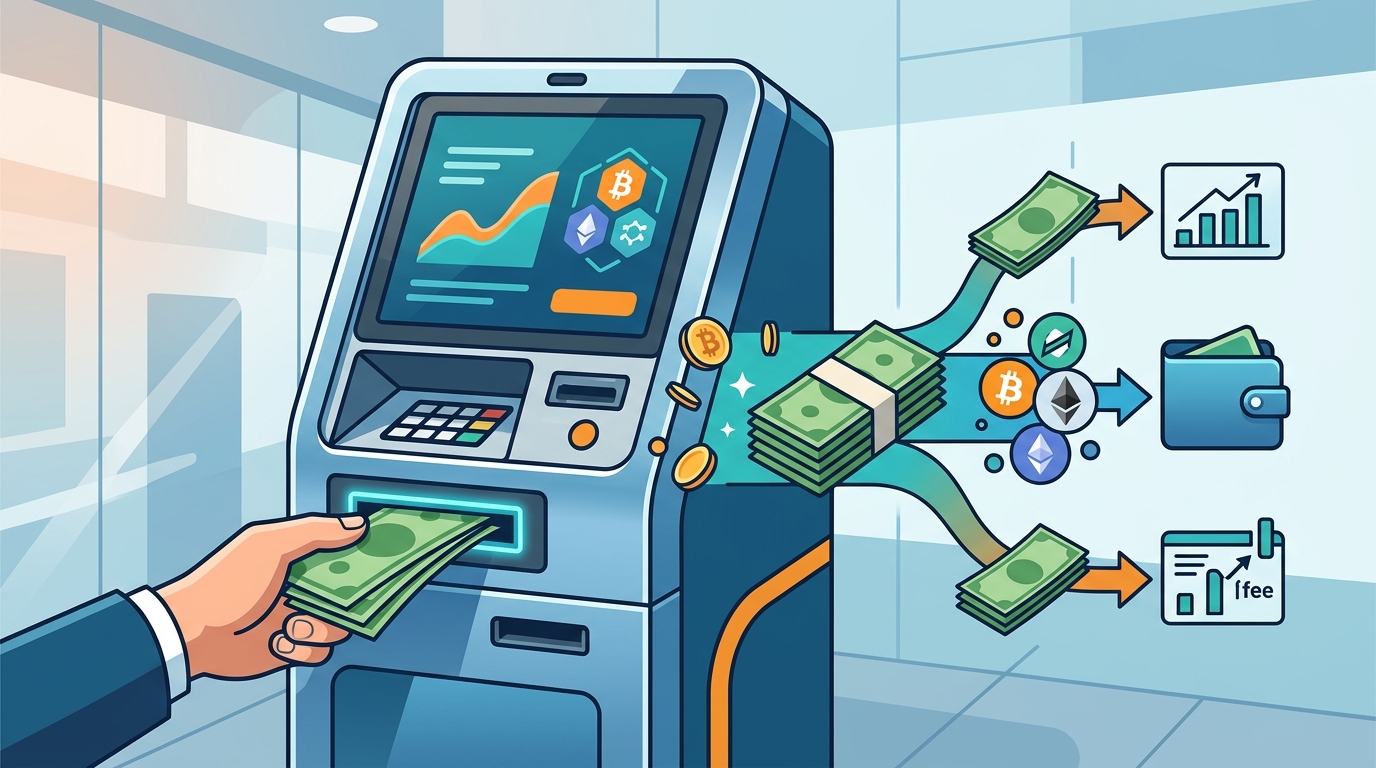
When you insert cash into a Bitcoin ATM, you are paying for two distinct components: the transaction fee charged by the operator and the spread applied to the exchange rate. The transaction fee is a fixed percentage or flat rate charged for processing the cash. The spread is the difference between the market price of Bitcoin and the price offered by the kiosk. Together, these costs can range from 5 percent to over 20 percent depending on the amount and location.
Bitcoin ATM fees are generally higher than online trading platforms because of the operational complexity involved in handling physical currency. Operators must manage cash replenishment, secure storage, and regulatory reporting. This infrastructure cost is passed directly to the user. For large transactions, the percentage fee often decreases, but the spread may remain constant. It is essential to review the fee schedule displayed on the kiosk screen before initiating any transaction.
How Byte Federal Pricing Works
Byte Federal operates a network of Bitcoin ATMs designed to provide transparent and competitive rates for users seeking immediate access to digital assets. Unlike many competitors who hide fees in complex spreads, Byte Federal aims to provide clear pricing structures for its users. The company offers a Bitcoin ATM network that prioritizes user experience and security.
For new users, Byte Federal provides a 25% discount on your first purchase above $50. This promotional offer helps reduce the initial barrier to entry for those exploring crypto kiosks. The platform also supports crypto wallet integration, ensuring that your assets are stored securely after the transaction is complete. By using the ByteVault app, users can manage their identity verification and transaction history seamlessly.
The company's commitment to transparency is reflected in its mission to create a fair economy. Users can locate the nearest kiosk using the location finder tool on the main website. This tool helps users compare nearby options and find the most cost-effective machine for their needs. Additionally, Byte Federal offers APIs for developers looking to integrate crypto services into their own applications.
Fee Breakdown: Spread vs. Transaction Fees
To fully understand the cost of converting cash to crypto, you must distinguish between the transaction fee and the spread. The transaction fee is the direct cost of using the machine. The spread is the implicit cost built into the exchange rate. Both components affect the final amount of cryptocurrency you receive.
Transaction Fees are typically calculated as a percentage of the transaction amount. For example, a 10 percent fee on a $100 transaction means you pay $10 in fees. Some machines charge a flat fee for smaller transactions, which can result in a higher effective percentage. The Spread is the difference between the real-time market price of Bitcoin and the price offered by the ATM. If Bitcoin is trading at $60,000 online, the kiosk might offer it at $61,200. This $1,200 difference is the spread cost.
Understanding this breakdown allows you to make informed decisions. If you are making a large transaction, the percentage fee may be lower, but the spread could still be significant. Always check the legal agreements and fee disclosures provided by the kiosk operator. This information is usually available on the machine's screen or the operator's website.
Strategies to Minimize Kiosk Costs
While kiosk fees are inherently higher than online exchanges, there are strategies to minimize these costs. First, consider the transaction size. Larger transactions often qualify for lower percentage fees. Second, compare multiple kiosks in your area. Prices and spreads vary significantly between operators and locations.
Third, use promotional offers when available. Byte Federal, for instance, offers a new user discount that can significantly reduce your initial costs. Fourth, ensure you have a compatible crypto wallet ready to avoid delays and potential additional fees from third-party services. Finally, stay informed about market conditions. Transacting during periods of lower volatility can help you get a better effective rate.
Another strategy is to use the converter tool on the Byte Federal website to estimate costs before visiting a kiosk. This tool helps you understand the current exchange rates and potential fees. By planning your transaction in advance, you can avoid impulsive decisions that lead to higher costs. Additionally, consider the security features of the kiosk to ensure your funds are protected.
Kiosk vs. Exchange Fee Comparison
Bitcoin ATMs offer convenience and speed, but they come with higher fees compared to traditional cryptocurrency exchanges. Understanding this difference is crucial for managing your investment budget. The table below summarizes the key differences between using a kiosk and an online exchange.
| Feature | Bitcoin ATM (Kiosk) | Centralized Exchange |
|---|---|---|
| Average Fee | 5% to 20% | 0.1% to 1% |
| Transaction Speed | Instant (Cash to Crypto) | Minutes to Days (Bank Transfer) |
| Privacy | High (Lower KYC limits) | Low (Full KYC Required) |
| Accessibility | Physical Locations | Global Online Access |
| Best For | Urgent Needs, Privacy | Large Investments, Trading |
As shown in the table, kiosks are ideal for urgent transactions or when privacy is a priority. However, for long-term holding or large-scale investing, online exchanges are more cost-effective. Byte Federal bridges this gap by offering competitive rates and a user-friendly experience. The company's network of locations ensures that users have access to reliable services.
Key Takeaways
- Average Fees: Bitcoin ATM fees average around 10.5 percent, significantly higher than online exchanges.
- Fee Components: Costs include both transaction fees and the exchange rate spread.
- Byte Federal Discount: New users can receive a 25% discount on their first purchase over $50.
- Transparency: Always review the fee schedule on the kiosk screen before transacting.
- Security: Use a secure crypto wallet like ByteVault to store your assets.
- Location: Use the location finder to compare nearby kiosk rates.
- Regulation: Ensure the kiosk operator complies with local regulatory requirements.
Frequently Asked Questions
How much does it cost to buy Bitcoin at a kiosk?
The cost varies by operator but typically ranges from 5 to 20 percent. This includes both the transaction fee and the spread. Byte Federal offers competitive rates and a new user discount to help reduce these costs.
Are Bitcoin ATM fees fixed or percentage-based?
Most Bitcoin ATM fees are percentage-based, meaning they increase with the transaction amount. Some operators may charge a flat fee for smaller transactions. Always check the fee schedule displayed on the kiosk.
Can I avoid fees when using a Bitcoin ATM?
While you cannot avoid fees entirely, you can minimize them by choosing kiosks with lower rates and larger transaction sizes. Using promotional offers, such as the Byte Federal discount, can also help reduce costs.
What is the spread in a Bitcoin ATM transaction?
The spread is the difference between the market price of Bitcoin and the price offered by the kiosk. It is an implicit cost that affects the amount of crypto you receive. Understanding the spread is crucial for managing your investment.
How do I find the nearest Bitcoin ATM?
You can use the location finder on the Byte Federal website to find nearby kiosks. This tool provides details on location, available services, and real-time rates.
Is it safe to use a Bitcoin ATM?
Yes, Bitcoin ATMs are generally safe if you use reputable operators like Byte Federal. Ensure the kiosk has proper security features and that you verify the transaction details before confirming.
What is the minimum transaction amount for a Bitcoin ATM?
The minimum amount varies by operator but is often around $10 to $20. Some kiosks may have higher minimums. Check the kiosk specifications for specific details.
How do I verify my identity for a Bitcoin ATM?
Identity verification is required for transactions above certain limits. You can use the ByteVault app to complete verification quickly and securely. This process ensures compliance with regulatory standards.
Secure Your Assets Today
Converting cash to cryptocurrency at a kiosk offers speed, privacy, and accessibility. By understanding the fee structures and choosing reputable operators like Byte Federal, you can minimize costs and maximize your investment. Take advantage of the 25% new user discount to start your crypto journey with reduced fees. Visit the Byte Federal website to find a kiosk near you and secure your financial freedom today.