
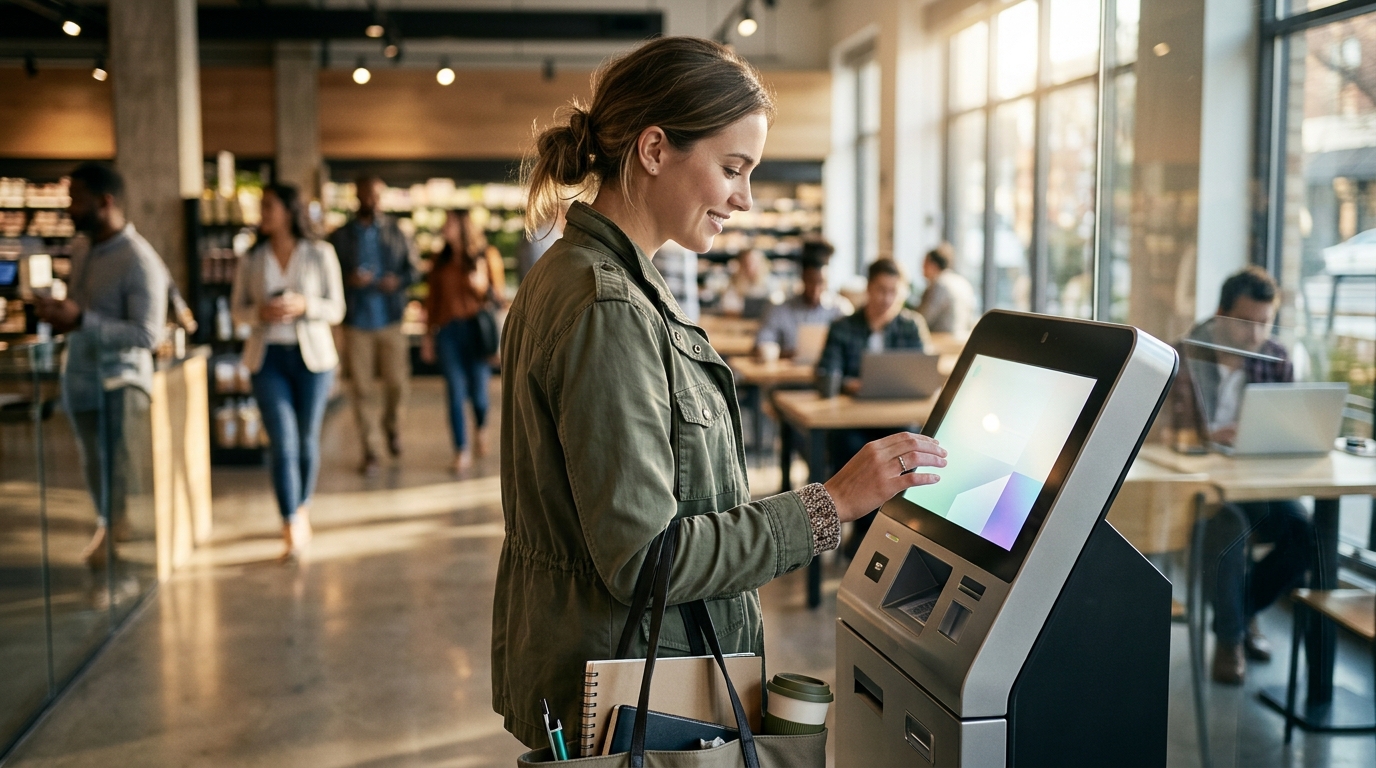
The landscape of digital asset acquisition has shifted dramatically in recent years. According to recent industry data, the number of Bitcoin ATMs worldwide has surpassed 40,000 units, with the United States alone hosting over 10,000 active kiosks. This exponential growth means that cash-to-crypto conversion is no longer a niche activity but a mainstream financial utility. For beginners, however, the sheer volume of options can be overwhelming. Understanding which machines offer the best security, lowest fees, and most intuitive interfaces is critical for a safe first purchase. (About Byte Federal American)
What Is a Bitcoin ATM?
A Bitcoin ATM, often referred to as a BTM (Bitcoin Teller Machine), is a specialized kiosk that allows users to buy or sell cryptocurrency using cash or debit cards. Unlike traditional bank ATMs that dispense fiat currency, these machines connect to blockchain networks to facilitate the transfer of digital assets directly to a user's wallet. (Byte Federal Bitcoin ATMs)
Bitcoin ATM is a self-service financial terminal that enables the exchange of physical cash for digital currency or vice versa. These machines function similarly to traditional banking ATMs but operate on decentralized ledger technology. They provide immediate access to the crypto market without the need for complex online exchanges or bank transfers.
For beginners, the primary appeal of a Bitcoin ATM is immediacy. You can walk into a store, insert cash, and have Bitcoin delivered to your digital wallet within minutes. This speed is unmatched by traditional banking systems, which often require days to clear wire transfers. However, this convenience comes with specific considerations regarding fees and security protocols that every new user must understand.
Key Features for Beginners
Not all Bitcoin ATMs are created equal. When selecting a machine for your first transaction, you must evaluate several critical factors. The best machines for beginners prioritize user experience, transparency, and security over aggressive profit margins.
Fee Transparency
Fees are the most significant barrier for new users. Many BTMs charge fees ranging from 10% to 20%, which can erode your initial investment quickly. Look for machines that clearly display their fee structure before you insert cash. Transparent pricing allows you to calculate the exact amount of Bitcoin you will receive before committing to the transaction.
Transaction Limits
Regulatory compliance requires Bitcoin ATMs to enforce transaction limits. For small purchases, many machines allow transactions under $1,000 without extensive identity verification. This "no-KYC" (Know Your Customer) threshold is ideal for beginners who want to test the waters without uploading sensitive documents immediately. However, for larger amounts, identity verification becomes mandatory.
Wallet Compatibility
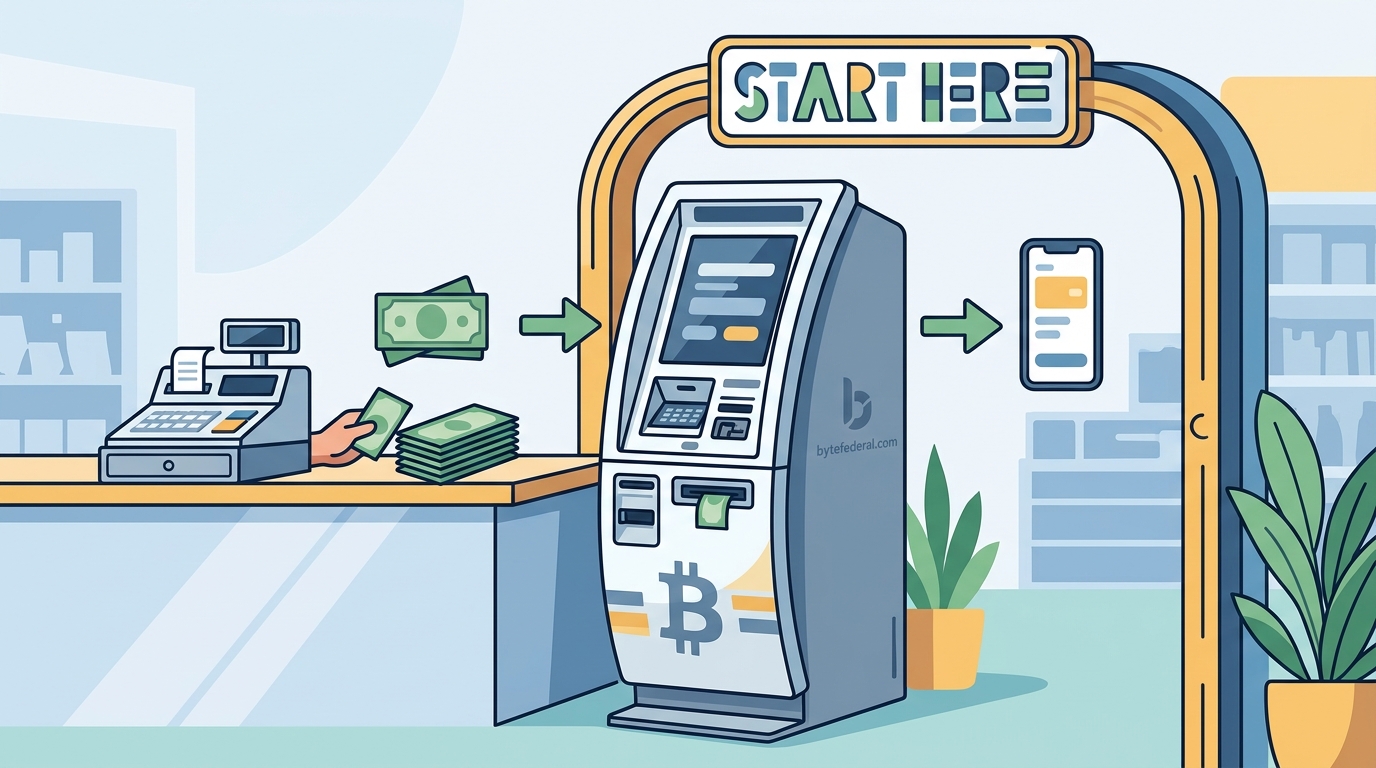
The machine must support your chosen wallet type. Most beginner-friendly ATMs accept QR codes from popular non-custodial wallets like Bitcoin Core, Electrum, or mobile wallets such as BlueWallet. Ensure the kiosk screen is large and clear enough to scan your wallet QR code accurately.
Top Providers Comparison
Choosing the right network is as important as choosing the right machine. Established providers offer better reliability, customer support, and often lower fees due to economies of scale. Below is a comparison of leading Bitcoin ATM operators in the current market.
| Provider | Primary Focus | Fee Structure | Beginner Friendliness | Key Feature |
|---|---|---|---|---|
| Byte Federal | Network & Security | Competitive | High | Advanced Security Protocols |
| CoinCloud | Volume & Reach | Variable | Medium | Largest Network |
| Bitcoin Depot | User Experience | Transparent | High | Low Minimums |
| General Crypto | Global Reach | Higher | Medium | Multi-Currency Support |
Byte Federal stands out in this landscape by combining a robust network of ATMs with enterprise-grade security features. Their platform is designed to protect both the user and the merchant, ensuring that transactions are secure from start to finish. For beginners, this reliability is paramount.
Step-by-Step Buying Guide
Buying Bitcoin at an ATM is a straightforward process, but it requires attention to detail. Follow these steps to ensure a smooth and secure transaction.
Step 1: Locate a Nearby Kiosk
Use a reliable Bitcoin ATM locator map to find the nearest machine. Look for kiosks located in well-lit, high-traffic areas such as grocery stores, convenience stores, or shopping malls. Safety should be your primary concern when selecting a location.
Step 2: Prepare Your Wallet
Before you approach the machine, ensure you have a Bitcoin wallet installed on your smartphone. Generate a receiving QR code within your wallet app. This QR code is your unique address for receiving the Bitcoin. Do not share this code with anyone else.
Step 3: Initiate the Transaction
Approach the kiosk and select "Buy Bitcoin" on the touchscreen. The machine will prompt you to scan your wallet QR code. Hold your phone steady near the scanner until the machine confirms it has read the address correctly.
Step 4: Insert Cash
Once the wallet address is verified, the machine will display the current exchange rate and the total fee. Insert your cash into the bill acceptor. Most machines accept $20, $50, and $100 bills. Ensure the bills are not crumpled or torn, as this can cause rejection.
Step 5: Confirm and Receive
Review the transaction details one last time. Confirm the purchase, and the machine will dispense a receipt. The Bitcoin will be sent to your wallet within minutes, depending on network congestion. You can verify the transaction on a blockchain explorer using the transaction ID provided on the receipt.
Security Best Practices
Security is the most critical aspect of using Bitcoin ATMs. Because transactions are irreversible, you must take precautions to protect your funds and personal information.
Verify the Machine
Inspect the kiosk for any signs of tampering. Check that the card reader and bill acceptor are securely attached. If the machine looks suspicious or has loose components, walk away and find another location.
Use a Non-Custodial Wallet
Never send Bitcoin to an exchange wallet for the first transaction. Use a non-custodial wallet where you control the private keys. This ensures that you have full ownership of your assets. If you lose access to your exchange account, you could lose your funds permanently.
Limit Initial Purchases
For your first few transactions, keep the amounts small. This allows you to test the process and verify that the Bitcoin arrives in your wallet without risking significant capital. Once you are comfortable with the process, you can increase your transaction size.
Key Takeaways
- Immediacy: Bitcoin ATMs provide instant access to cryptocurrency, bypassing traditional banking delays.
- Fee Awareness: Always check the fee structure before inserting cash to avoid unexpected costs.
- Security First: Use well-lit, high-traffic locations and inspect machines for tampering.
- Wallet Control: Always use a non-custodial wallet to maintain full control over your private keys.
- Start Small: Begin with small transactions to familiarize yourself with the process.
- Provider Choice: Choose reputable providers like Byte Federal for enhanced security and reliability.
- Regulatory Compliance: Be prepared for identity verification requirements for larger transactions.
Frequently Asked Questions
How much does it cost to buy Bitcoin at an ATM?
Fees vary by provider and location, typically ranging from 10% to 20% of the transaction amount. Some providers offer lower fees for larger transactions or through specific promotional programs.
Do I need to verify my identity to buy Bitcoin?
For transactions under a certain threshold, often $1,000, many ATMs do not require identity verification. However, for larger amounts, you will need to provide a phone number and sometimes a government-issued ID.
Is it safe to use a Bitcoin ATM?
Bitcoin ATMs are generally safe if you take standard precautions. Always use machines in well-lit, public areas and verify the integrity of the kiosk before transacting.
How long does it take for Bitcoin to arrive?
Bitcoin transactions are usually confirmed within minutes, depending on the network congestion and the fee paid by the ATM operator. Most users receive their Bitcoin within 10 to 30 minutes.
Can I sell Bitcoin at an ATM?
Yes, many Bitcoin ATMs support both buying and selling. However, selling features are less common than buying features and may have higher fees.
What happens if I send Bitcoin to the wrong address?
Bitcoin transactions are irreversible. If you send Bitcoin to an incorrect address, the funds are lost permanently. Always double-check the QR code and address before confirming the transaction.
Are Bitcoin ATMs available 24/7?
Yes, most Bitcoin ATMs are accessible 24 hours a day, 7 days a week, providing constant access to cryptocurrency markets.
Start Buying Today
Entering the world of cryptocurrency does not have to be complicated. By choosing the right Bitcoin ATM and following best practices, you can securely and confidently make your first purchase. Byte Federal offers a robust network of secure, user-friendly kiosks designed to simplify your crypto journey. Visit Byte Federal to locate a kiosk near you and start your financial freedom journey today.