

How to Set Up a Secure Crypto Wallet for Daily Transactions in 2026
Establishing a secure cryptocurrency wallet is no longer just for long-term investors; it is a fundamental requirement for anyone looking to participate in the modern digital economy. According to recent industry data, the number of active crypto users in the United States has surged past 50 million, driven by the need for faster, borderless financial transactions. This growth highlights the critical importance of choosing the right wallet infrastructure to protect your assets while maintaining the liquidity needed for daily spending.
Understanding Wallet Types for Daily Use
Before you begin the technical setup, you must understand the two primary categories of crypto wallets: hot wallets and cold wallets. A hot wallet is a software-based application connected to the internet, designed for frequent transactions and ease of access. This makes it the ideal choice for daily spending, such as buying coffee or paying for services. Conversely, a cold wallet is a hardware device that remains offline, offering maximum security for long-term storage but lacking the convenience for quick purchases.
For daily transactions, a hot wallet is your primary interface. However, the security of this wallet depends entirely on the provider you choose. You need a solution that balances user-friendly interfaces with robust cryptographic standards. This is where platforms like Byte Federal Wallet come into play, offering a seamless bridge between traditional finance and blockchain technology.
When selecting a wallet, consider the following factors:
- Accessibility: Can you access your funds from any device?
- Speed: Does it support fast transaction confirmations?
- Integration: Does it work with Point of Sale (POS) systems?
Choosing the Right Provider and Security
The landscape of crypto wallets is vast, but not all providers are created equal. In 2026, the standard for security has shifted towards passwordless authentication and biometric verification. Traditional password-based systems are vulnerable to phishing and credential stuffing attacks, which account for a significant portion of security breaches globally.
Look for providers that utilize Bitcoin-grade cryptography. This means using the secp256k1 curve and ECDSA (Elliptic Curve Digital Signature Algorithm), the same mathematical foundations that secure the Bitcoin network. This level of security ensures that your private keys are never exposed to the internet during routine use.
Additionally, consider the ecosystem of the provider. A wallet that integrates with a broader network of ATMs and POS systems, such as the Byte Federal POS network, allows you to seamlessly convert between fiat and crypto. This integration is crucial for daily transactions, as it eliminates the friction of manual exchanges.
Step-by-Step Setup Process
Setting up your wallet is a straightforward process, but it requires attention to detail to ensure your security is not compromised. Follow these steps to configure your wallet for daily use.
Step 1: Download the Official Application
Always download your wallet application from the official source. Avoid third-party app stores or links found in unsolicited emails. For Byte Federal users, this means accessing the app directly through the official registration portal. Verify the developer name and digital signature to ensure the app has not been tampered with.
Step 2: Identity Verification
To comply with US financial regulations, you will need to complete a Know Your Customer (KYC) verification. This process involves uploading a government-issued ID and possibly a selfie for facial recognition. This step is mandatory for activating full transaction limits and ensures the platform remains compliant with federal standards.
Step 3: Secure Your Recovery Phrase
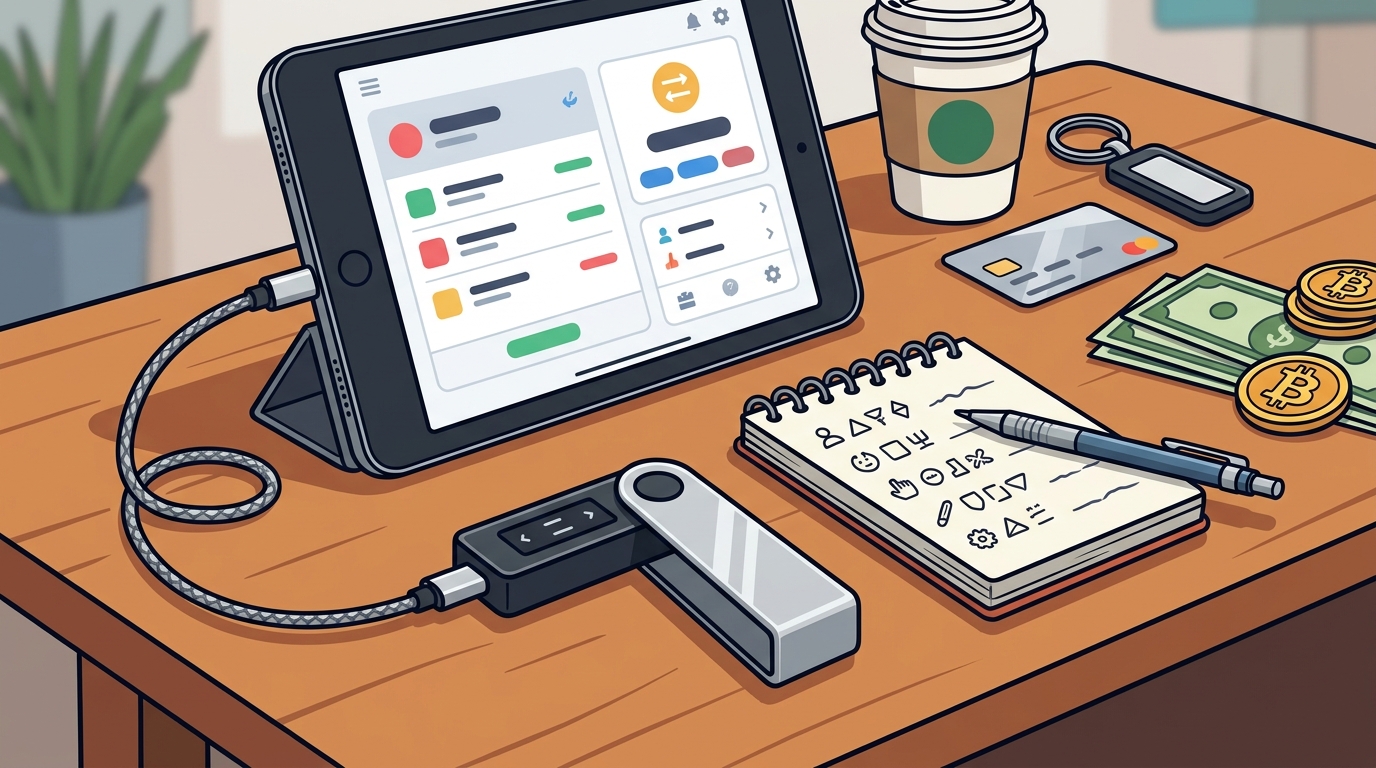
During setup, you will be given a 12 or 24-word recovery phrase. This phrase is the only way to restore your wallet if you lose access to your device. Write it down on paper and store it in a secure location, such as a safe. Never store this phrase digitally, in cloud notes, or via email, as these methods are vulnerable to hacking.
Step 4: Enable Biometric Authentication
Enable Face ID or Touch ID on your device. This adds a layer of security that is both convenient and robust. It ensures that even if your phone is stolen, the thief cannot access your crypto assets without your biometric data.
Daily Transaction Strategies
Once your wallet is set up, you need to integrate it into your daily financial life. Here are effective strategies for using your crypto wallet for everyday transactions.
Using Crypto ATMs for Liquidity
One of the biggest challenges with crypto is converting it back to fiat currency for everyday use. Byte Federal Bitcoin ATMs provide a solution to this problem. You can visit any of their thousands of locations across the US to sell your crypto for cash or transfer it to your bank account instantly. This liquidity is essential for maintaining a healthy cash flow while holding crypto assets.
Integrating with POS Systems
For merchants, accepting crypto payments is a growing trend. By integrating a Byte Federal API into your Point of Sale system, you can accept payments directly in your wallet. This reduces transaction fees compared to traditional credit card processors and appeals to a tech-savvy customer base.
Managing Multiple Currencies
Daily transactions often involve more than just Bitcoin. Ensure your wallet supports multiple assets, such as Ethereum (ETH) and stablecoins like USDC. Stablecoins are pegged to the US dollar, providing stability during market volatility. This allows you to spend without worrying about sudden price drops.
Security Best Practices
Security is an ongoing process, not a one-time setup. Here are critical practices to maintain the integrity of your wallet.
- Regular Updates: Keep your wallet app and device operating system updated to patch any security vulnerabilities.
- Phishing Awareness: Never click on links in emails or texts asking for your recovery phrase. Legitimate support teams will never ask for this information.
- Small Amounts: Keep only the amount you need for daily transactions in your hot wallet. Store larger sums in a cold wallet or secure vault.
- Network Security: Avoid using public Wi-Fi for financial transactions. Use a secure, private connection or your mobile data.
By adhering to these practices, you significantly reduce the risk of unauthorized access. The Byte Federal Vault offers an additional layer of security for those who wish to store larger amounts off-device.
Key Takeaways
- Hot Wallets for Daily Use: Use software wallets for frequent transactions due to their accessibility and speed.
- Bitcoin-Grade Security: Choose providers that use secp256k1 cryptography for maximum protection.
- Recovery Phrase Safety: Always write down your recovery phrase on paper and store it securely offline.
- Liquidity via ATMs: Utilize networks like Byte Federal ATMs for easy cash conversion.
- Biometric Authentication: Enable Face ID or Touch ID to prevent unauthorized access.
- Stablecoins for Stability: Use stablecoins for daily spending to avoid market volatility.
- Regular Updates: Keep your software updated to protect against emerging threats.
Frequently Asked Questions
What is the difference between a hot wallet and a cold wallet?
A hot wallet is connected to the internet and is used for daily transactions, while a cold wallet is an offline device used for long-term storage.
How do I secure my crypto wallet?
Secure your wallet by enabling biometric authentication, keeping your recovery phrase offline, and using strong, unique passwords for any associated accounts.
Can I use crypto for daily purchases?
Yes, you can use crypto for daily purchases by using wallets that integrate with POS systems or by converting crypto to fiat at ATMs.
What is a recovery phrase?
A recovery phrase is a series of words that allows you to restore access to your wallet if you lose your device or forget your password.
Is it safe to use public Wi-Fi for crypto transactions?
No, it is not safe. Public Wi-Fi networks are vulnerable to interception, so you should always use a secure, private connection.
How do I convert crypto back to cash?
You can convert crypto back to cash using Bitcoin ATMs, such as those provided by Byte Federal, or by transferring it to a bank account.
What are stablecoins?
Stablecoins are cryptocurrencies pegged to the value of a stable asset, like the US dollar, to minimize volatility.
Get Started with Byte Federal
Setting up a secure crypto wallet is the first step towards financial freedom and participation in the digital economy. With the right tools and knowledge, you can manage your assets securely and transact with ease. Byte Federal provides the infrastructure you need, from secure wallets to a vast network of ATMs and POS systems.
Ready to take control of your finances? Visit Byte Federal today to learn more about our services and find the nearest location to you. Join thousands of Americans who are already securing their financial future with Byte Federal.