

Self-custody is the cornerstone of financial sovereignty in the digital age. According to recent industry analyses, over 400 million individuals worldwide now hold some form of cryptocurrency, yet a significant percentage of these assets remain vulnerable to exchange failures and cyber theft. The shift toward decentralized finance has made understanding cold storage not just a technical preference, but a fundamental requirement for asset protection. This guide details the most effective methods for securing your digital wealth offline, ensuring that you maintain full control over your financial future without relying on third-party intermediaries.
What Is Cold Storage?
Cold storage refers to the practice of keeping cryptocurrency private keys in an offline environment that is disconnected from the internet. This isolation prevents remote hackers from accessing your funds through network-based attacks, phishing schemes, or malware. Unlike hot wallets, which are connected to the internet for frequent trading, cold storage solutions are designed for long-term holding and maximum security.
The primary advantage of cold storage is its immunity to online threats. Since the private keys never touch an internet-connected device, the attack surface is virtually eliminated. This method is particularly crucial for investors holding significant amounts of Bitcoin or Ethereum, where the loss of access means the permanent loss of wealth. For a deeper understanding of the technology, you can explore the crypto education resources provided by industry leaders.
Hardware Wallets: The Gold Standard
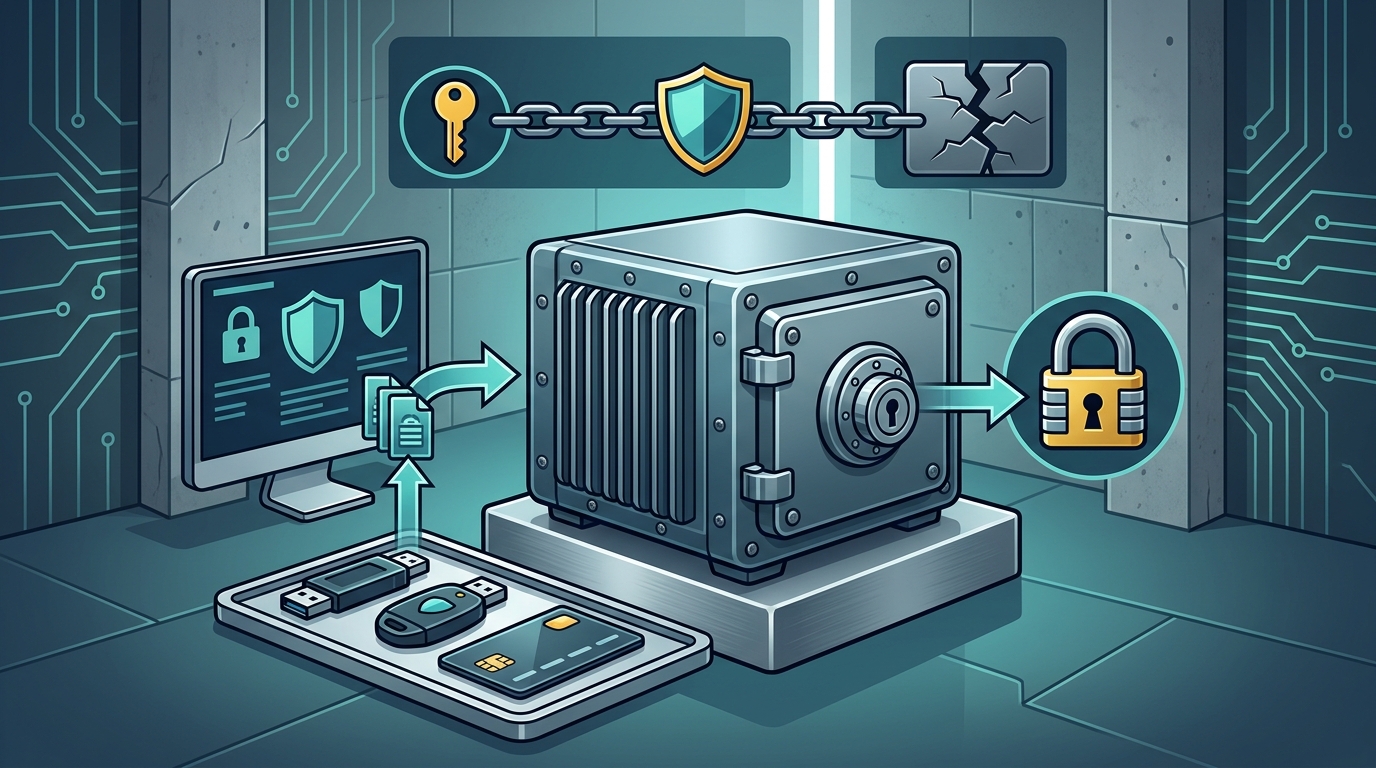
Hardware wallets are specialized physical devices designed to store private keys securely. They function as offline computers that can sign transactions without ever exposing the keys to the host computer or smartphone. This ensures that even if your computer is infected with malware, your funds remain safe.
How Hardware Wallets Work
When you need to send cryptocurrency, you connect the hardware wallet to your device. The transaction details are displayed on the device's screen for verification. You then physically confirm the transaction using buttons on the device. The signed transaction is sent back to your computer and broadcast to the network. This process guarantees that the private key never leaves the secure element of the hardware.
Top Hardware Wallet Options
Several reputable manufacturers produce high-security hardware wallets. The KeepKey, for example, is known for its sleek design and robust security features. It is available for purchase through official channels like the Byte Federal merchandise store, which also offers branded gear for the crypto community. Other popular options include Ledger and Trezor, which offer varying levels of connectivity and user interface preferences.
According to security audits, hardware wallets have a near-zero failure rate when used correctly. The physical nature of the device adds a layer of protection that software alone cannot match. For those interested in the broader ecosystem, Byte Federal's mission emphasizes the importance of individual financial liberation through such secure tools.
Seed Phrase Security Protocols
A seed phrase, also known as a recovery phrase, is a list of 12 to 24 words that serves as the master key to your cryptocurrency wallet. If you lose your hardware wallet or phone, this phrase is the only way to recover your funds. Therefore, its security is paramount.
Writing It Down
The most secure method for storing a seed phrase is writing it down on paper or engraving it on metal. Never store it digitally, such as in a text file, email, or cloud storage, as these are vulnerable to hacking. Metal plates offer protection against fire, water, and physical degradation, ensuring your recovery option lasts for decades.
Multiple Backups
Create multiple copies of your seed phrase and store them in different secure locations. This could include a home safe, a bank safety deposit box, or a trusted family member's secure location. The goal is to ensure that no single point of failure can result in the loss of your recovery information.
For more insights on financial freedom, read the latest news on Bitcoin adoption and security trends. Understanding the context of these risks helps reinforce the necessity of proper seed phrase management.
The Role of Non-Custodial Apps
While hardware wallets are ideal for long-term storage, non-custodial mobile apps play a vital role in daily management and accessibility. These apps allow you to hold your own keys while providing a user-friendly interface for transactions.
ByteVault: Secure and Sovereign
ByteVault is a leading non-custodial mobile application that empowers users to send and receive Bitcoin securely. It integrates seamlessly with hardware wallets, allowing you to manage your cold storage assets from your phone. The app emphasizes self-sovereign identity, ensuring that you are the sole owner of your data and funds.
With features like biometric login and encrypted storage, ByteVault provides a secure bridge between your offline assets and the online world. You can download ByteVault from the App Store or Google Play to start managing your crypto with confidence. The app also helps you locate nearby Bitcoin ATMs for cash-to-crypto conversions.
Integration with Bitcoin ATMs
For users who prefer physical cash transactions, Byte Federal's network of Bitcoin ATMs offers a secure way to acquire crypto. These ATMs are designed with robust security protocols to protect both the user and the machine. By using a non-custodial app like ByteVault, you can ensure that the funds purchased at these ATMs are immediately secured in your own wallet, rather than being held by the kiosk operator.
Storage Method Comparison
Choosing the right storage method depends on your security needs, frequency of use, and technical comfort level. The following table compares the most common storage options.
| Storage Method | Security Level | Convenience | Best For | Cost |
|---|---|---|---|---|
| Hardware Wallet | Very High | Low | Long-term holding | $50 - $150 |
| Non-Custodial App | High | High | Daily transactions | Free |
| Paper Wallet | High | Very Low | Offline backup | Free |
| Exchange Wallet | Low | Very High | Trading | Free |
As noted in various financial security reports, the risk of exchange failures underscores the importance of moving funds to self-custody solutions. For more information on the risks of centralized exchanges, visit the Byte Federal FAQ section.
Key Takeaways
- Self-Custody is Essential: Holding your own private keys is the only way to guarantee true ownership of your digital assets.
- Hardware Wallets Provide Maximum Security: Devices like KeepKey isolate your keys from internet-based threats.
- Seed Phrases Are Critical: Your recovery phrase is the master key to your wallet; protect it with physical, offline backups.
- Non-Custodial Apps Offer Balance: Apps like ByteVault provide security and convenience for daily use.
- Bitcoin ATMs Are a Secure On-Ramp: Using ATMs with a self-custody app ensures immediate control over purchased crypto.
- Never Share Your Seed Phrase: No legitimate company will ever ask for your seed phrase. Sharing it means losing your funds.
- Regular Security Audits: Stay informed about the latest security threats and best practices through trusted sources.
Frequently Asked Questions
What is the difference between hot and cold storage?
Hot storage refers to wallets connected to the internet, which are convenient but more vulnerable to hacking. Cold storage involves keeping private keys offline, providing superior security for long-term holdings.
Can I lose my crypto if I lose my hardware wallet?
No, as long as you have your seed phrase. The seed phrase allows you to recover your funds on any compatible device, regardless of what happens to your original hardware wallet.
Is it safe to use a Bitcoin ATM?
Yes, Bitcoin ATMs are generally safe if you use a non-custodial wallet like ByteVault to receive your funds immediately. This ensures that the crypto is under your control and not held by the kiosk operator.
What is a non-custodial wallet?
A non-custodial wallet is a type of cryptocurrency wallet where the user holds the private keys. This means the user has full control over their funds, and no third party can access or freeze their account.
How do I secure my seed phrase?
Write your seed phrase on paper or metal and store it in a secure location, such as a safe or safety deposit box. Never store it digitally or share it with anyone.
What is ByteVault?
ByteVault is a non-custodial mobile app that allows users to securely store, send, and receive Bitcoin. It integrates with hardware wallets and helps users locate nearby Bitcoin ATMs.
Why should I use a hardware wallet?
Hardware wallets provide the highest level of security for cryptocurrency by keeping private keys offline. This protects your assets from online threats like malware and phishing attacks.
Secure Your Assets Today
Take control of your financial future by adopting secure offline storage practices. Whether you choose a hardware wallet, a non-custodial app, or a combination of both, the key is to maintain sovereignty over your private keys. Start by exploring the ByteVault app to manage your crypto securely. For those looking to acquire Bitcoin, find a nearby Bitcoin ATM and begin your journey toward financial independence. Visit the contact page for more information on how Byte Federal can support your crypto needs.