

How to Set Up a Secure Crypto Wallet for Daily Transactions in 2026
Setting up a secure crypto wallet for daily transactions in America requires balancing immediate accessibility with rigorous security protocols. According to recent industry data, over 24.6 million unbanked Americans are turning to cryptocurrency to bypass traditional banking limitations. This shift highlights the urgent need for reliable, non-custodial solutions that prioritize user sovereignty. This guide details the exact steps to establish a secure digital onramp using modern, Bitcoin-grade infrastructure. (About Byte Federal American)
Understanding Wallet Types for Daily Use
Before initiating the setup process, it is critical to distinguish between custodial and non-custodial wallets. A custodial wallet holds your private keys on behalf of the user, similar to a traditional bank account. In contrast, a non-custodial wallet ensures that you alone control your assets. For daily transactions, non-custodial mobile applications offer the optimal balance of speed and security. (ByteAuth Passwordless Authentication Powered)
ByteVault is a prime example of this architecture. It is a world-class, non-custodial mobile application designed for rapid transaction processing. This tool allows users to hold their own keys while accessing the broader Bitcoin network. By choosing a non-custodial solution, you eliminate the risk of third-party insolvency. You maintain full sovereignty over your financial data and assets.
When selecting a wallet for daily use, prioritize applications that support biometric authentication. This feature ensures that only you can authorize transactions, even if your device is compromised. Look for platforms that integrate seamlessly with Bitcoin ATMs for cash-to-crypto conversions. This hybrid approach provides liquidity when digital funds are insufficient.
Step 1: Download Secure Software
The first technical step involves acquiring the official application from a verified source. Always download wallets directly from the Apple App Store or Google Play Store. Avoid third-party download sites that may bundle malware with the installer. Once downloaded, verify the developer signature to ensure the app has not been tampered with.
For users seeking advanced security, consider installing ByteAuth. This is a passwordless authentication protocol powered by Bitcoin cryptography. It utilizes the secp256k1 curve to provide enterprise-grade security for your login credentials. By eliminating passwords, you remove the primary vector for credential stuffing attacks.
During installation, enable all available security permissions. This includes location services for finding nearby ATMs and biometric access for transaction approval. These permissions are essential for the full functionality of a daily transaction wallet. They ensure that you can locate liquidity and authorize payments securely.
Step 2: Verify Identity
Regulatory compliance is a mandatory step for setting up a wallet in America. The Financial Crimes Enforcement Network (FinCEN) requires Know Your Customer (KYC) protocols for most digital asset service providers. This process involves submitting a government-issued ID and a selfie for facial recognition.
Byte Federal streamlines this process through its online registration portal. You can verify your identity before visiting an ATM to speed up the transaction. This pre-verification reduces the wait time at physical kiosks significantly. It also ensures that your account is ready for immediate funding upon arrival.
Ensure that the documents you upload are clear and unexpired. Blurry images or expired IDs will result in verification delays. Once verified, you will receive a confirmation notification. This status allows you to transact with higher limits and greater frequency.
Step 3: Fund Your Account
Funding your wallet can be achieved through several methods. The most direct method for daily users is cash-to-crypto conversion at a Bitcoin ATM. These kiosks allow you to insert cash and receive Bitcoin directly to your wallet address. This method is ideal for users who prefer to keep their banking history private.
Alternatively, you can use a bank transfer or credit card to purchase crypto within the app. This method is convenient for small, frequent transactions. However, it may incur higher fees compared to ATM transactions. Compare the fee structures of different funding methods to optimize your costs.
For businesses, integrating a Point of Sale (POS) system is an effective funding strategy. ByteConnect allows merchants to accept crypto payments directly. This system processes transactions securely and converts them to fiat if desired. It eliminates the risk of chargebacks associated with traditional credit card processing.
Step 4: Secure Your Keys
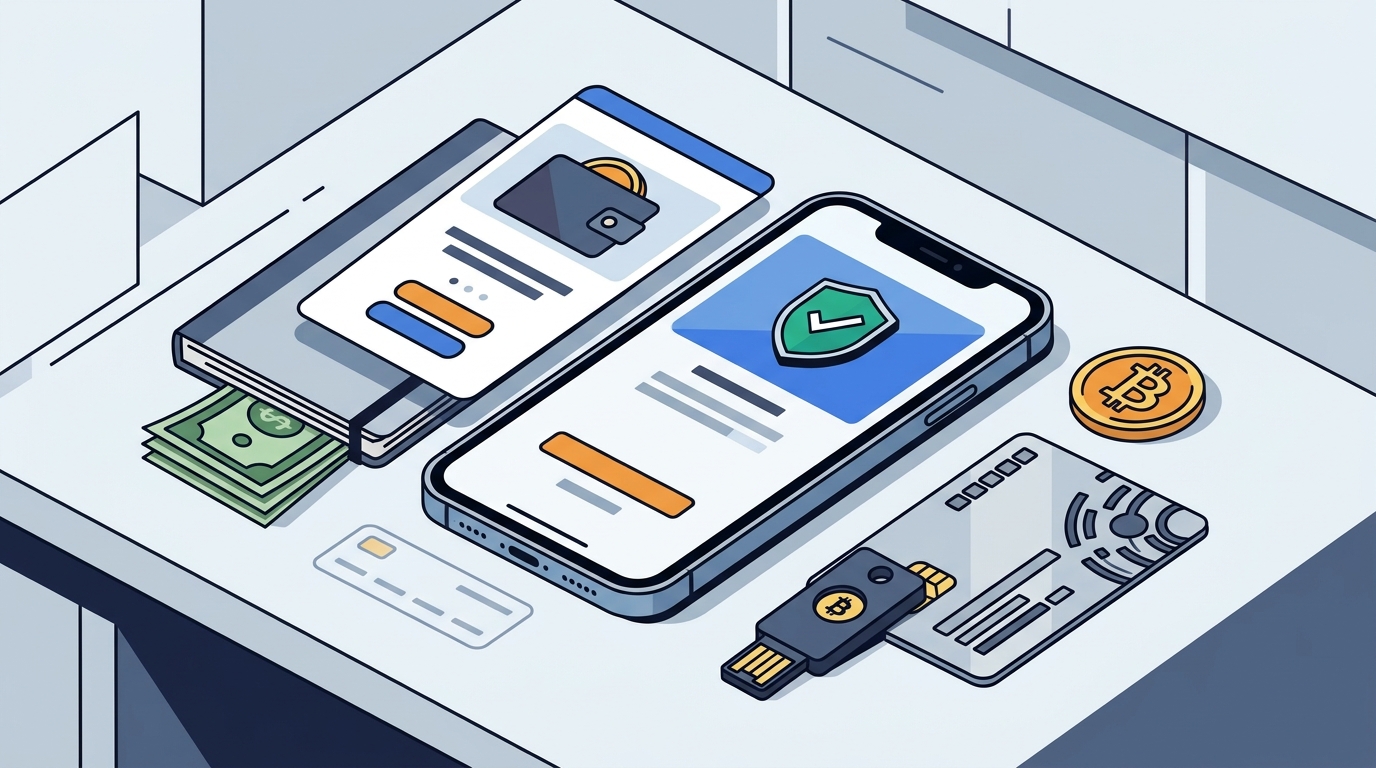
The security of your wallet depends entirely on the protection of your private keys. In a non-custodial wallet, these keys are generated locally on your device. You must back them up using a seed phrase. This phrase is a series of words that can restore your wallet if your device is lost or stolen.
Write down your seed phrase on paper and store it in a secure location. Never store it digitally, such as in a screenshot or cloud document. Digital storage exposes your keys to hacking and data breaches. Physical storage is the only truly secure method for long-term preservation.
Enable biometric locks on your mobile device. This adds an extra layer of protection against unauthorized access. If your device is stolen, the thief cannot access your wallet without your biometric data. This feature is critical for maintaining the integrity of your daily transactions.
Step 5: Integrate POS Systems
For those looking to expand their crypto usage, integrating a POS system is the next logical step. This allows you to accept payments from customers who hold crypto. It also enables you to spend your crypto directly at participating merchants.
ByteConnect provides a robust POS solution that is secure, private, and fraud-proof. It supports Lightning Network transactions for instant settlement. This speed is essential for daily retail environments where time is money. Merchants can also use the system to manage inventory and track sales.
Consider the pricing models of different POS providers. Some charge a flat monthly fee, while others take a percentage of each transaction. Evaluate your volume to determine the most cost-effective option. High-volume merchants may benefit from flat-rate pricing, while low-volume users may prefer transaction-based fees.
Key Takeaways
- Non-custodial wallets like ByteVault provide full sovereignty over your assets.
- Biometric authentication is essential for securing daily transactions against theft.
- Pre-verification on platforms like Byte Federal reduces ATM wait times.
- Cash-to-crypto ATMs offer a private and immediate funding method.
- Seed phrases must be stored physically to prevent digital compromise.
- POS systems like ByteConnect enable seamless merchant adoption of crypto.
- Regulatory compliance via KYC is mandatory for US-based wallet users.
Frequently Asked Questions
Is it safe to use a crypto wallet for daily transactions?
Yes, provided you use a non-custodial wallet with strong security features. Biometric locks and secure seed phrase storage are critical. Avoid sharing your private keys with anyone.
How do I find a Bitcoin ATM near me?
Use the location finder feature within your wallet app. ByteVault and other major wallets provide real-time maps of nearby ATMs. This allows you to locate liquidity instantly.
What is the difference between a hot wallet and a cold wallet?
A hot wallet is connected to the internet and is ideal for daily transactions. A cold wallet is offline and is used for long-term storage. For daily use, a secure hot wallet is more practical.
Can I use crypto for everyday purchases in America?
Yes, many merchants accept crypto through POS systems like ByteConnect. You can also use crypto debit cards to spend your assets at any ATM or store.
How do I recover my wallet if I lose my phone?
You can recover your wallet using your seed phrase. Enter the words into a new device to restore access to your funds. Never lose or share this phrase.
Are there fees for using Bitcoin ATMs?
Yes, Bitcoin ATMs typically charge a transaction fee. The fee varies by location and transaction size. Compare fees across different kiosks to find the best rate.
What is ByteAuth and how does it help?
ByteAuth is a passwordless authentication system powered by Bitcoin cryptography. It enhances security by eliminating passwords and using biometric verification for login.
Get Started Today
Setting up a secure crypto wallet is the first step toward financial sovereignty. By following these steps, you can establish a robust system for daily transactions. Take control of your financial future with Byte Federal. Visit our main page to learn more about our services. Register now to verify your identity and start transacting securely.