

The global cryptocurrency market has experienced exponential growth, with total market capitalization frequently surpassing $2 trillion in recent years. According to recent industry reports, the number of active cryptocurrency users worldwide has exceeded 420 million, highlighting the urgent need for robust asset protection strategies. As digital wealth becomes more accessible, the risk of cyber theft, exchange insolvency, and hardware failure has intensified. This guide details the most effective methods for securing your holdings through offline storage solutions, ensuring your financial sovereignty remains intact.
What Is Offline Storage?
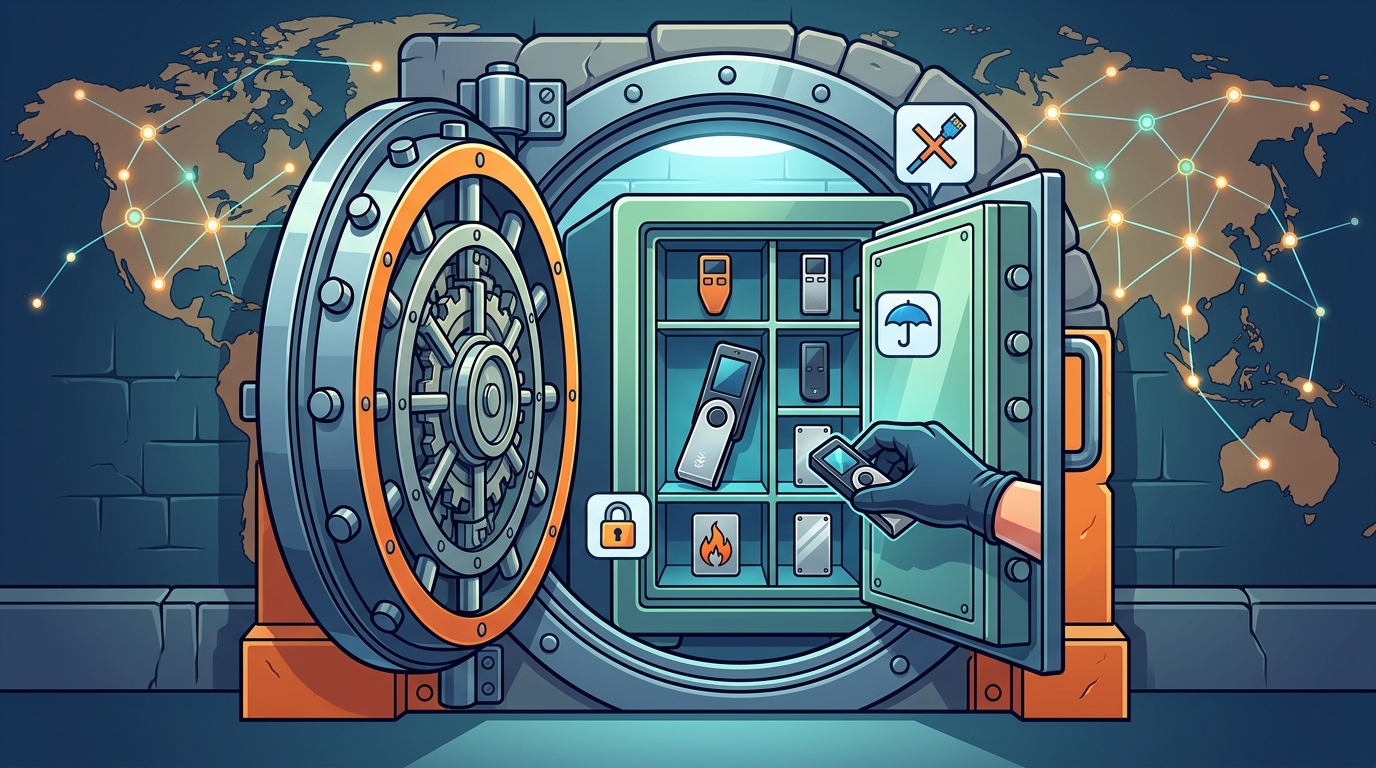
Offline storage, commonly referred to as cold storage, is a method of keeping cryptocurrency private keys completely disconnected from the internet. This isolation prevents remote hackers from accessing your funds through network vulnerabilities, malware, or phishing attacks. Unlike hot wallets, which are connected to the internet for frequent trading, cold wallets are designed for long-term holding.
The fundamental principle behind cold storage is the separation of key generation from key usage. By generating private keys on a secure, offline device, you ensure that the sensitive data never touches a networked environment. This approach is critical for anyone holding significant value, as it eliminates the attack surface associated with online exchanges. For more information on our mission to provide transparent and fair economic tools, visit our Mission page.
Hardware Wallets: The Gold Standard
Hardware wallets are specialized physical devices that store private keys in a secure element. They are widely considered the most practical and secure method for individual investors. These devices interact with the blockchain via USB, Bluetooth, or QR codes, but the private keys never leave the device.
How Hardware Wallets Work
When you initiate a transaction, the hardware wallet signs the transaction data internally. The signed transaction is then sent to the internet-connected computer for broadcasting. This process ensures that the private key remains isolated. The security relies on the physical possession of the device and the PIN or passphrase used to unlock it.
Key Features to Look For
When selecting a hardware wallet, prioritize devices with open-source firmware and verified supply chains. Look for features such as secure chip technology, which protects against physical tampering. Additionally, ensure the device supports the specific cryptocurrencies you hold. For those interested in the underlying technology, our ByteAuth platform utilizes similar cryptographic principles for secure, passwordless authentication.
Paper Wallets: Analog Security
Paper wallets involve printing your public and private keys on physical paper. This method offers complete immunity to digital hacking because the keys exist only in the physical realm. However, paper wallets are susceptible to physical damage, such as fire, water, or wear and tear.
Creating a Secure Paper Wallet
To create a paper wallet, you must generate the keys on an air-gapped computer. This means a device that has never been connected to the internet. Use a trusted, open-source generator to create the keys. Print them on high-quality, durable paper. Store the paper in a fireproof safe or a safety deposit box.
Risks and Mitigation
The primary risk of paper wallets is loss of access. If the paper is damaged or lost, the funds are irretrievable. To mitigate this, create multiple copies and store them in different secure locations. Never digitize the private key by scanning or photographing it, as this compromises the offline nature of the storage. For educational resources on crypto security, explore our Learn platform.
Air-Gapped Systems for Enterprise
Air-gapped systems are computers that are physically isolated from unsecured networks. These systems are often used by institutions and high-net-worth individuals for maximum security. Transactions are transferred via QR codes or USB drives in a controlled manner.
Implementation Strategies
Implementing an air-gapped system requires strict protocols. The computer used for key generation must never connect to the internet. Regular audits of the hardware and software integrity are essential. Consider using specialized air-gapped hardware wallets that facilitate secure QR code communication. For technical documentation on our API infrastructure, visit our APIs page.
Storage Solution Comparison
Choosing the right storage method depends on your security needs, technical expertise, and the amount of assets you hold. The following table compares the primary offline storage options.
| Storage Type | Security Level | Convenience | Best For | Cost |
|---|---|---|---|---|
| Hardware Wallet | High | Medium | Most Investors | $50 - $200 |
| Paper Wallet | Very High | Low | Long-term Holders | $0 - $10 |
| Air-Gapped PC | Extreme | Low | Institutions | $500+ |
| Multi-Sig Vault | Very High | Medium | High-Net-Worth | Variable |
Key Takeaways
- Offline storage isolates private keys from internet threats, significantly reducing hack risk.
- Hardware wallets offer the best balance of security and usability for most users.
- Paper wallets provide ultimate digital isolation but require careful physical preservation.
- Air-gapped systems are ideal for institutional-grade security requirements.
- Always verify the integrity of your hardware wallet before purchasing to avoid supply chain attacks.
- Backup your recovery seed phrases in multiple secure, offline locations.
- Regularly update your firmware to protect against newly discovered vulnerabilities.
Frequently Asked Questions
Is offline storage completely secure?
While offline storage is significantly more secure than online storage, no system is entirely immune to risk. Physical theft, damage, or loss of backup phrases can compromise access. Proper physical security measures are essential.
Can I use a hardware wallet for any cryptocurrency?
Not all hardware wallets support every cryptocurrency. You must check the compatibility list of the specific device before purchasing. Most major wallets support Bitcoin, Ethereum, and many altcoins.
What happens if I lose my hardware wallet?
If you have securely backed up your recovery seed phrase, you can restore your funds on a new device. The seed phrase is the only way to recover your assets if the device is lost or damaged.
Are paper wallets still relevant in 2026?
Yes, paper wallets remain a valid option for long-term storage due to their complete offline nature. However, they are less convenient than hardware wallets and require careful physical handling to prevent degradation.
How do I verify a hardware wallet's authenticity?
Always purchase directly from the manufacturer or authorized resellers. Check for tamper-evident seals and verify the device's serial number on the manufacturer's website. Avoid second-hand hardware wallets.
What is a multi-signature wallet?
A multi-signature wallet requires multiple private keys to authorize a transaction. This adds an extra layer of security, as an attacker would need to compromise multiple keys to steal funds.
Can I access my offline funds quickly?
Accessing offline funds requires the physical presence of the storage device. While this adds a step to the transaction process, it ensures that only you can authorize the movement of your assets.
Secure Your Assets Today
Protecting your digital wealth requires proactive measures and reliable tools. Byte Federal provides comprehensive solutions for crypto enthusiasts, including secure ATMs, wallet services, and enterprise APIs. Explore our Locations to find a nearby kiosk or visit our Contact Us page to speak with our team about securing your financial future.