

Storing digital assets offline, often referred to as cold storage, is the most effective method to protect cryptocurrency holdings from online threats. According to recent cybersecurity reports, over 80% of all crypto-related breaches involve compromised hot wallets or phishing attacks on connected devices. This statistic highlights the critical need for individuals to move their assets away from internet-connected environments. By utilizing hardware wallets and secure seed phrase backups, users can maintain full control over their private keys without exposing them to remote hackers. This guide explores the technical mechanisms, best practices, and tools available for achieving true financial sovereignty.
What is Cold Storage?
Cold storage is a security process where private keys are generated and stored on a device that is never connected to the internet. This isolation prevents remote attackers from accessing the keys through malware, viruses, or network exploits. The term "cold" simply refers to the lack of an active network connection, distinguishing it from "hot" wallets that are constantly online.
Bitcoin is a decentralized digital currency that relies on cryptographic proofs for ownership. When you hold your own private keys, you hold the actual asset. If you leave your funds on an exchange, you are essentially lending your crypto to the platform, which introduces counterparty risk. Cold storage eliminates this risk by ensuring that only you can authorize transactions. This method is essential for long-term holders who prioritize security over frequent trading access.
Understanding the difference between custodial and non-custodial storage is the first step in securing your portfolio. Custodial services manage your keys for you, while non-custodial solutions give you full responsibility. For those seeking to understand the foundational technology, crypto education resources provide detailed insights into blockchain mechanics and ownership principles.
Hardware Wallets Explained
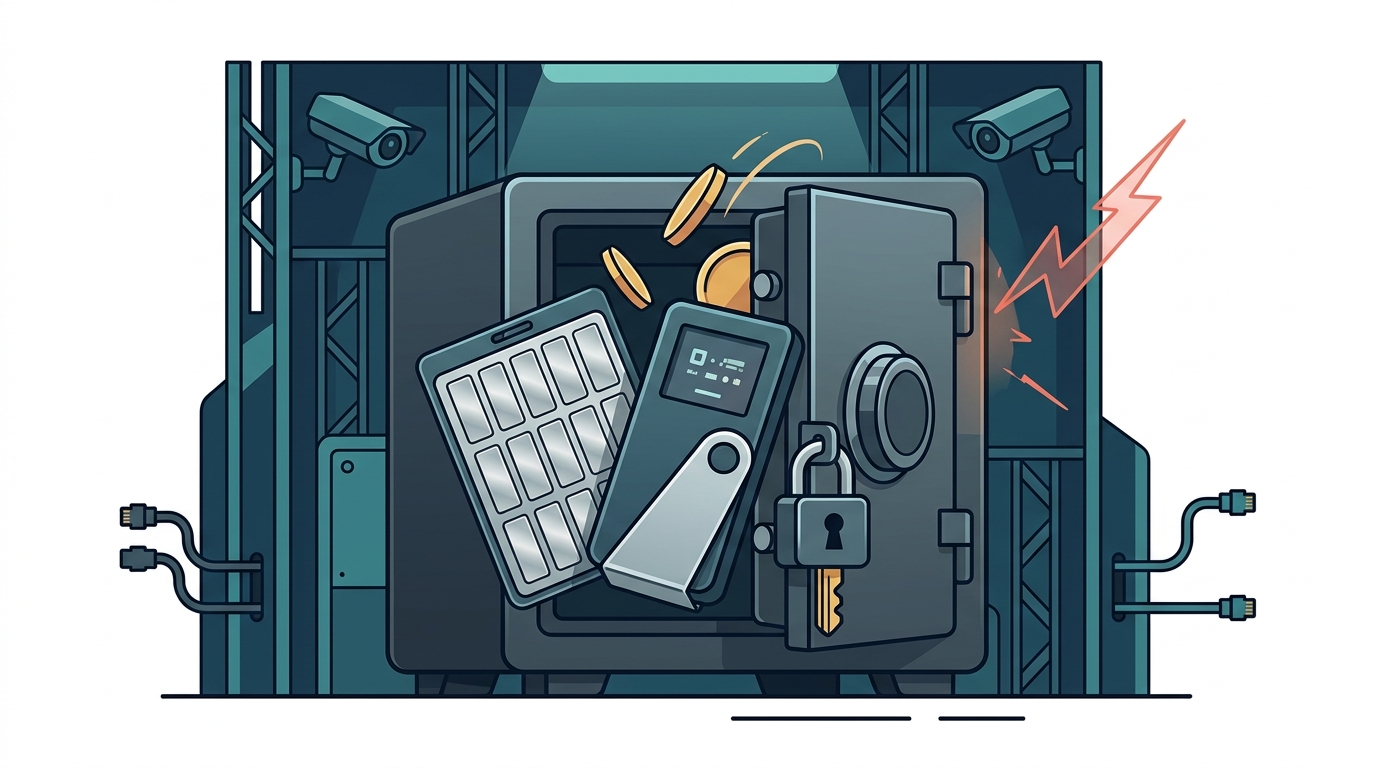
Hardware wallets are specialized physical devices designed to store private keys in a secure, tamper-resistant environment. These devices look like USB drives or small calculators and generate addresses offline. When you need to send a transaction, the device signs it internally and outputs the signed data to your computer or phone, which then broadcasts it to the network.
The security of a hardware wallet lies in its air-gapped nature. Even if your computer is infected with sophisticated malware, the malware cannot extract the private key from the hardware device. The device only reveals the signed transaction, not the key itself. This architecture ensures that your funds remain safe even in the event of a compromised host system.
Many modern hardware wallets also support advanced features like passphrase protection and multi-signature requirements. These features add layers of security for high-value holdings. For example, you can require two different devices to sign a transaction, ensuring that a single compromised device cannot drain your account. This level of control is a hallmark of self-sovereign finance.
Seed Phrase Management
A seed phrase, also known as a recovery phrase or mnemonic, is a list of words that allows you to restore your wallet if you lose your device. This phrase is typically 12 or 24 words long and is generated randomly when you first set up your wallet. It is the master key to your entire portfolio. If you lose this phrase, your funds are irretrievable. If someone else finds it, they can steal your funds.
Proper seed phrase management is critical for long-term security. You should never store your seed phrase digitally, such as in a text file, email, or cloud storage. Hackers frequently scan for these digital footprints. Instead, write the phrase on paper or engrave it on metal. Store this backup in a secure location, such as a home safe or a bank safety deposit box.
Consider using a metal seed backup to protect against fire, water, and corrosion. Paper can degrade over time or be destroyed in a disaster. Metal backups ensure that your recovery information survives for decades. This is a small investment that provides immense peace of mind for serious investors. For more information on protecting your digital identity, explore developer resources that discuss secure key management standards.
The Role of Non-Custodial Apps
While hardware wallets provide the highest level of security for storage, non-custodial mobile apps offer a convenient way to manage and monitor your assets. These apps allow you to hold your own keys while providing a user-friendly interface for tracking balances and sending funds. ByteVault is a prime example of a non-custodial mobile app that empowers users to maintain control over their cryptocurrency.
ByteVault allows users to send and receive Bitcoin securely while keeping their keys on their own device. This approach combines the security of cold storage with the convenience of mobile access. Users can find nearby Bitcoin ATMs, check real-time prices, and manage their portfolio without relying on a third-party server. This transparency is essential for building trust in the crypto ecosystem.
Using a non-custodial app does not replace the need for a hardware wallet for large holdings. Instead, it serves as a complementary tool for daily management. You can keep a small amount of funds in your mobile app for convenience and store the majority in your hardware wallet for security. This hybrid approach balances accessibility with protection. Learn more about secure wallet solutions to understand how these tools integrate with your strategy.
Storage Options Comparison
Choosing the right storage method depends on your security needs, technical expertise, and frequency of use. Below is a comparison of the most common storage options to help you make an informed decision.
| Storage Type | Security Level | Convenience | Best For |
|---|---|---|---|
| Hardware Wallet | Very High | Low | Long-term holding |
| Non-Custodial App | High | High | Daily transactions |
| Custodial Exchange | Low | Very High | Active trading |
| Paper Wallet | High | Very Low | Offline backup |
Hardware wallets offer the best balance of security and functionality for most users. They are designed specifically to protect private keys while allowing easy transaction signing. Non-custodial apps are ideal for users who need frequent access to their funds but still want to maintain control. Custodial exchanges are convenient but carry significant risk due to their online nature and potential for insolvency.
Understanding the trade-offs between these options is crucial for building a robust security strategy. Always prioritize security over convenience when storing significant value. For those interested in the technical underpinnings of these systems, our mission statement outlines our commitment to transparent and fair financial infrastructure.
Key Takeaways
- Offline storage, or cold storage, is the most secure way to protect digital assets from online threats.
- Hardware wallets generate and store private keys in an isolated, tamper-resistant environment.
- Seed phrases are the master key to your wallet and must be stored physically and securely.
- Non-custodial apps like ByteVault allow users to hold their own keys while maintaining mobile convenience.
- Avoid storing seed phrases digitally or sharing them with anyone under any circumstances.
- Consider using metal seed backups to protect against physical damage and environmental hazards.
- Regularly update your wallet firmware to ensure you have the latest security patches.
Frequently Asked Questions
Is it safe to store crypto on a hardware wallet?
Yes, hardware wallets are considered one of the safest methods for storing cryptocurrency. They keep private keys offline and isolated from internet-connected devices, making them immune to remote hacking attempts. As long as you keep your seed phrase secure, your funds are protected.
What happens if I lose my hardware wallet?
If you lose your hardware wallet, you can recover your funds using your seed phrase. You can purchase a new device, install the same wallet software, and enter your seed phrase to restore your wallet. Your funds will be accessible again, provided you have the seed phrase.
Can I use a non-custodial app for large amounts of crypto?
While non-custodial apps are secure, they are not as safe as hardware wallets for large amounts. Mobile devices are more susceptible to malware and physical theft. It is recommended to use a hardware wallet for significant holdings and a non-custodial app for smaller, daily-use amounts.
How do I verify the authenticity of a hardware wallet?
Always purchase hardware wallets directly from the manufacturer or authorized resellers. Check the packaging for tamper-evident seals and verify the device's serial number on the manufacturer's website. Never buy a used hardware wallet, as it may have been compromised.
What is the difference between a hot wallet and a cold wallet?
A hot wallet is connected to the internet and is used for frequent transactions, while a cold wallet is offline and used for long-term storage. Hot wallets are convenient but less secure, whereas cold wallets are highly secure but less convenient for daily use.
Do I need to pay fees to use a hardware wallet?
You do not pay fees to use the hardware wallet itself. However, you must pay network transaction fees (gas fees) when sending cryptocurrency from your wallet to another address. These fees are paid to the network miners or validators, not the wallet provider.
Can I store multiple cryptocurrencies on one hardware wallet?
Yes, most modern hardware wallets support multiple cryptocurrencies. You can install different wallet applications on your device to manage Bitcoin, Ethereum, and other altcoins. Ensure that the wallet you choose supports the specific coins you hold.
Secure Your Assets Today
Taking control of your digital assets is the most important step in securing your financial future. By using hardware wallets and non-custodial solutions, you can protect your wealth from cyber threats and counterparty risk. Byte Federal provides the tools and infrastructure you need to achieve true financial sovereignty. Visit Byte Federal to explore our range of Bitcoin ATMs, secure wallets, and educational resources. Start your journey to secure, decentralized finance today.