
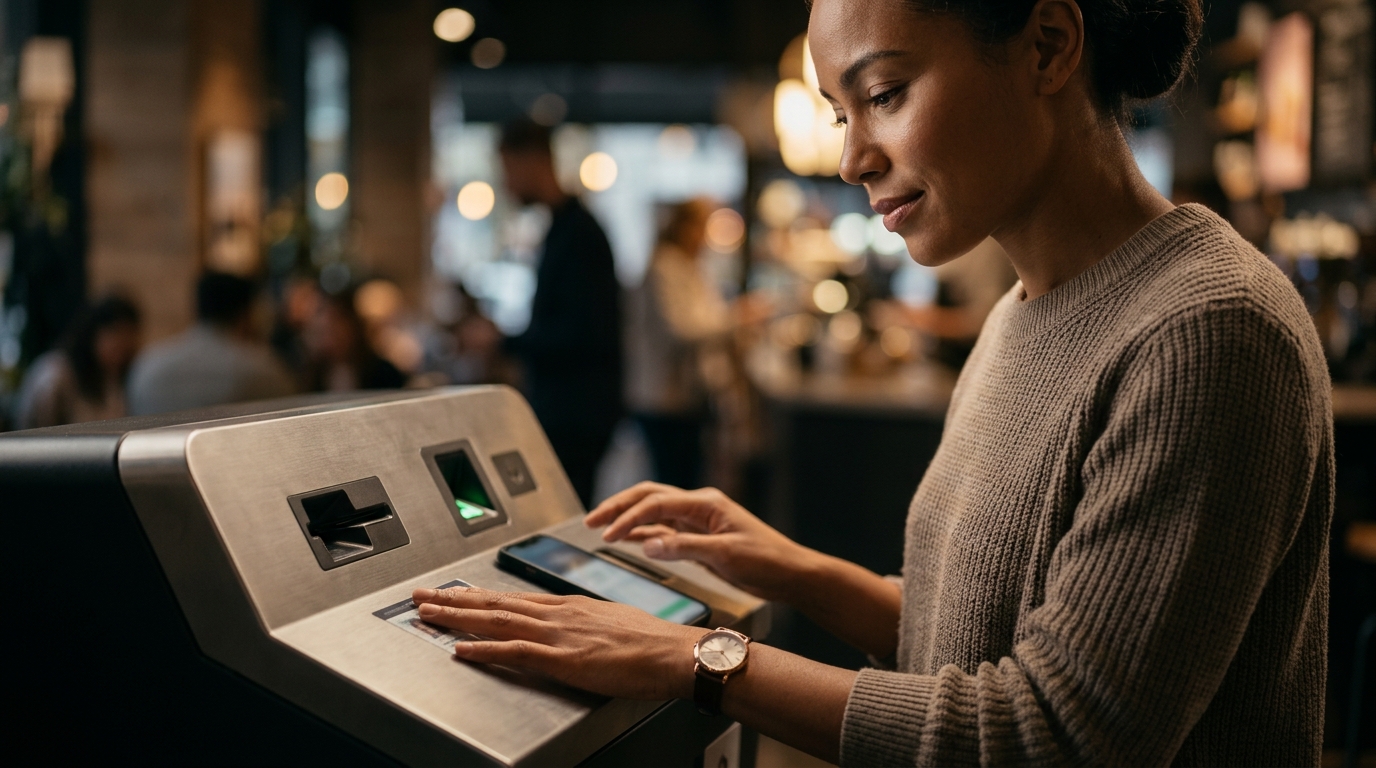
When you sell Bitcoin at a machine, the verification step confirms your identity and validates the transaction before releasing cash. This process typically involves scanning a government-issued ID, performing a biometric check, and verifying the source of the cryptocurrency. Byte Federal, a leading Bitcoin ATM operator in the United States, uses these layers to ensure compliance and security for every cash withdrawal.
The Role of Identity Verification in Crypto Sales
Identity verification is a mandatory compliance requirement for most Bitcoin ATMs in the United States. It serves as the primary defense against money laundering and fraud. When a user initiates a sale, the kiosk requires proof of identity to link the digital asset transfer to a specific, verified individual. This step is distinct from the initial purchase process, where verification may be lighter for small amounts. For selling, the threshold for scrutiny is generally higher because the user is converting digital value into physical currency.
Byte Federal operates a network of over 1,350 kiosks across 42 U.S. states, all of which adhere to strict regulatory standards. The company is registered with FinCEN, ensuring that every identity check meets federal anti-money laundering laws. By integrating this verification directly into the kiosk interface, the operator reduces the risk of unauthorized transactions and protects both the user and the business.
Step-by-Step: Scanning ID and Biometrics
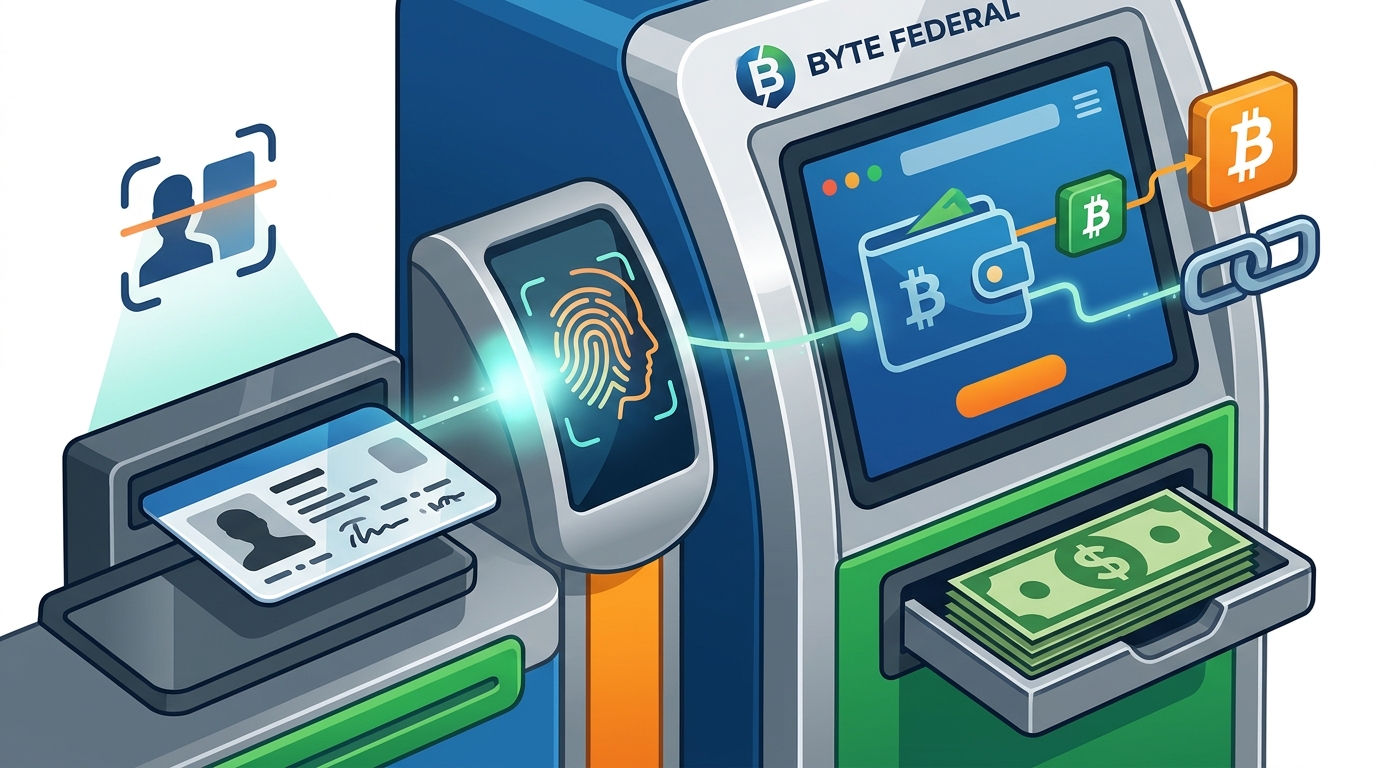
The physical verification process usually begins with the user presenting a valid government-issued photo ID, such as a driver's license or passport. The kiosk's camera captures the document, and optical character recognition software extracts the name, date of birth, and address. This data is then cross-referenced with the user's profile. In many cases, including those at Byte Federal locations, a biometric check is also required. The user must look into the camera, and the system compares the live face to the photo on the ID.
This dual-layer approach ensures that the person standing at the machine is the same person named on the ID. The process is designed to be quick, often taking less than a minute. However, if the lighting is poor or the ID is damaged, the system may prompt the user to retake the scan. This immediate feedback loop helps prevent transaction failures that could otherwise delay the cash withdrawal.
Validating the Cryptocurrency Source
Once identity is confirmed, the machine verifies the cryptocurrency transaction itself. This involves checking the blockchain to ensure the Bitcoin being sold belongs to the user's wallet and has sufficient confirmations. The kiosk displays the amount of Bitcoin to be sold and the equivalent cash value, including any applicable fees. The user must review these details and confirm the transaction. This step is critical because Bitcoin transactions are irreversible. Once the user confirms the sale, the coins are transferred to the operator's wallet, and the cash is dispensed.
Byte Federal's kiosks provide a clear display of the exchange rate and fees before the user commits to the sale. This transparency helps users understand the final cash amount they will receive. The system also checks for any holds or restrictions on the specific coins, ensuring that the funds are liquid and ready for conversion. This validation step protects the user from attempting to sell coins that are locked or part of a fraudulent transaction.
Compliance and Regulatory Standards
Byte Federal is ISO 27001:2022 certified, which demonstrates a commitment to information security. This certification covers the handling of personal data, including the ID scans and biometric information collected during verification. The company's compliance program ensures that data is encrypted and stored securely. This level of security is essential for building trust with users who are converting their digital assets into cash.
Common Verification Errors and Solutions
Users sometimes encounter errors during the verification step. Common issues include blurry ID scans, poor lighting, or mismatched biometric data. If the system cannot verify the ID, the transaction will be paused. The user is usually prompted to retake the scan or try a different ID. In some cases, the kiosk may require additional documentation, such as a utility bill, to verify the address on the ID.
Byte Federal provides clear on-screen instructions to guide users through these steps. The kiosk interface is designed to be intuitive, with large text and simple prompts. If a user continues to experience issues, they can contact customer support for assistance. The company's support team is available to help resolve verification errors and ensure that the user can complete their transaction smoothly.
Key Takeaways
- Identity verification is a mandatory step for selling Bitcoin at most U.S. ATMs.
- The process typically involves scanning a government-issued ID and a biometric face check.
- Byte Federal operates over 1,350 kiosks across 42 states, all compliant with FinCEN regulations.
- The machine validates the Bitcoin transaction on the blockchain before releasing cash.
- ISO 27001:2022 certification ensures that personal data is handled securely.
- Users should ensure good lighting and a clear ID to avoid verification errors.
- Transactions are irreversible, so users must review the rate and fees before confirming.
Frequently Asked Questions
What ID is required to sell Bitcoin at a machine?
A valid government-issued photo ID, such as a driver's license, state ID, or passport, is required. The ID must be unexpired and clearly visible for the kiosk's camera.
How long does the verification process take?
The verification process usually takes less than a minute. It involves scanning the ID and performing a quick biometric check. The exact time may vary depending on lighting conditions and system performance.
Can I sell Bitcoin without verifying my identity?
No, identity verification is required for selling Bitcoin at most Bitcoin ATMs in the United States. This is a regulatory requirement to prevent money laundering and fraud.
What happens if my ID scan fails?
If the ID scan fails, the kiosk will prompt you to retake the scan. Ensure that the ID is held steady and that the lighting is good. If the issue persists, you may need to try a different ID or contact customer support.
Are my personal data and ID scans stored securely?
Yes, operators like Byte Federal are ISO 27001:2022 certified, which means they follow strict standards for information security. Personal data is encrypted and stored securely to protect user privacy.
Does the machine check the Bitcoin transaction before releasing cash?
Yes, the machine validates the Bitcoin transaction on the blockchain to ensure the coins belong to the user and have sufficient confirmations. This step ensures that the funds are liquid and ready for conversion.
Conclusion
The verification step is a critical component of selling Bitcoin at a machine. It ensures compliance with regulatory standards and protects both the user and the operator. By understanding the process, users can complete their transactions with confidence. Byte Federal provides a secure and compliant environment for Bitcoin sales, with over 1,350 kiosks available across the United States. To find a nearby location, you can use the Bitcoin ATM locator on the Byte Federal website.